Are Smart Water Leak Detectors Worth It? An Honest UK Guide
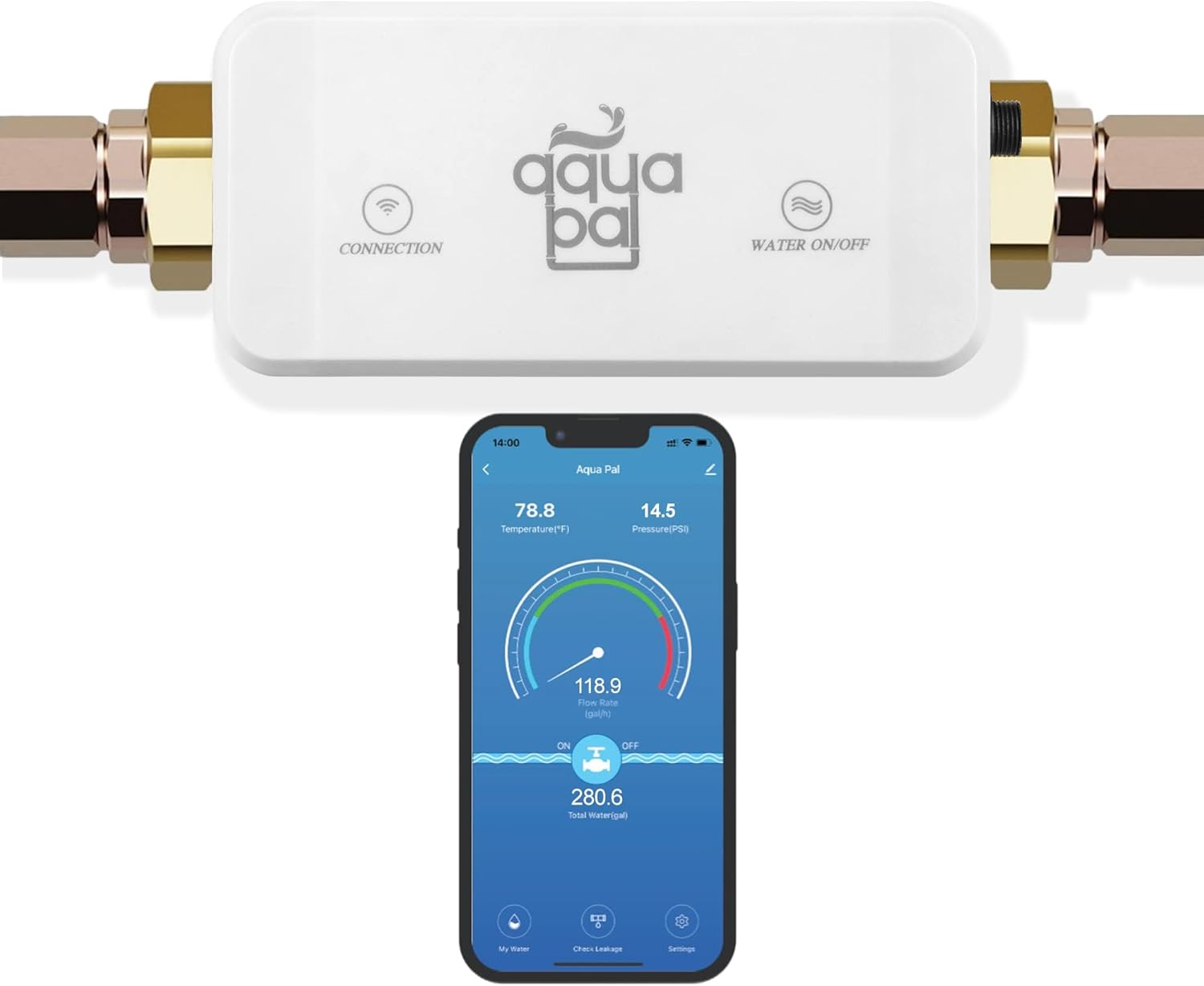
Spot sensors and whole-home flow monitors can catch a burst or a slow leak early and may earn an insurer discount. But they alert or shut off the supply; they do not tell you where the leak is. Here is an honest look at what they are worth and where professional detection still fits.
Water damage is one of the most common and most expensive things that can go wrong in a home. A burst pipe under a floor, a weeping joint behind a kitchen unit, or a pinhole in central heating pipework can quietly ruin flooring, plaster and possessions long before anyone notices. It is no surprise, then, that smart water leak detectors have become a popular purchase for London homeowners who want a bit of insurance against a soaking. Search any home forum and you will find people asking the same question: are these devices actually worth the money, or are they another gadget that ends up in a drawer?
The honest answer is that they can be very worthwhile, but only if you understand what they do and, just as importantly, what they cannot do. A leak detector is not a leak locator. It tells you that water is going where it should not, and in the best cases it shuts the supply off for you. It does not tell you which pipe has failed, where under your floor the water is escaping, or how far the damage has already spread. This guide walks through the two main categories of consumer leak-detection technology, weighs the genuine benefits against the real limitations, reflects the consensus you will find on forums like r/DIYUK, r/smarthome and MoneySavingExpert, and explains where a device ends and professional leak detection in London begins.
The two main types of smart water leak detector
Broadly, consumer devices fall into two families. They solve different problems, cost very different amounts, and are often best used together rather than as either-or choices.
1. Spot sensors (point-of-contact alarms)
These are small, battery-powered pucks or pads that you place in the specific spots where leaks tend to start: under the kitchen sink, behind the washing machine and dishwasher, beside the boiler, under the bathroom basin, near the stopcock, or in a loft next to a cold water tank. When water bridges the metal contacts on the base, the sensor sounds a loud local alarm and, if it is a connected model, pushes a notification to your phone.
Spot sensors are cheap, simple and genuinely useful for one job: catching water at a known risk point before it spreads. If your washing machine hose lets go overnight, a puck on the floor behind it can wake you or ping your phone while the puddle is still small. The weakness is equally obvious. A spot sensor only sees water that reaches the exact spot where you placed it. A leak two metres away, or one running down inside a wall cavity or under a floor slab, will never touch the sensor and will never trigger it. They are a tripwire, not a survey.
2. Whole-home flow monitors with automatic shut-off
These are a different class of device. They fit onto your main incoming supply pipe, usually near the internal stopcock, and monitor the flow of water through the pipe. Over a couple of weeks the smarter units learn your household's normal usage patterns: how much water a shower uses, when the dishwasher runs, what a normal day looks like. Once they understand your baseline, they watch for abnormal behaviour, for example water flowing continuously for far longer than any normal tap use, or flow at three in the morning when the house should be still. When the device decides something is wrong, it can raise an alert and, crucially, close a built-in motorised valve to cut the supply automatically.
This automatic shut-off is the headline feature and the reason these units are far more expensive than spot sensors. A spot sensor tells you about a leak. A flow monitor with a shut-off valve can stop a leak that you are not even at home to hear, which is exactly the scenario, a burst while you are away, that produces the worst water-damage claims. Many also detect slow, continuous flows that a spot sensor would never catch, such as a running overflow or a slowly weeping underground supply pipe.
Device comparison at a glance
The table below summarises the main options, what each does well, and where each one falls short. Treat the prices as general UK device price bands rather than quotes for any specific product.
| Device type | What it does | Key limits | Typical UK price band |
|---|---|---|---|
| Basic spot sensor (local alarm) | Sounds an audible alarm when water touches it at one location | No phone alert, no shut-off; only detects water at that exact spot | Low: roughly £10 to £25 each |
| Smart spot sensor (Wi-Fi or hub) | Sends a phone notification plus local alarm when water is detected | Needs connectivity or a hub; still only covers the spot it sits on; does not stop the water | Low to mid: roughly £20 to £45 each |
| Flow monitor (alert only) | Learns normal usage and alerts you to abnormal flow or continuous running | Alerts only, you must act; does not locate the leak; may need professional fitting | Mid: roughly £150 to £300 plus fitting |
| Flow monitor with auto shut-off valve | Learns usage, alerts you, and automatically closes the supply on abnormal flow | Cuts the whole supply, not just the fault; can nuisance-trip; does not locate the leak; usually needs a plumber to fit | Higher: roughly £300 to £700 plus fitting |
What smart leak detectors genuinely do well
Set expectations correctly and these devices earn their keep. The strongest arguments in their favour are consistent and well founded.
- Catching a burst early. The single biggest cause of large water-damage claims is a pipe that fails while nobody is around to notice. A flow monitor with auto shut-off directly targets this, closing the supply within seconds or minutes rather than hours, which is often the difference between a mopping-up job and a ruined ceiling below.
- Spotting slow, hidden losses. A slow leak can run for weeks, quietly inflating your bill and softening structure, without ever making an obvious puddle. Flow monitors are good at flagging the tiny continuous flow that indicates a running toilet, a dripping overflow, or a leak on the supply pipe. If you have noticed your bill creeping up, our guide on what to check when a smart water meter shows high usage covers the same warning signs.
- Peace of mind while away. For anyone who travels, has a second property, or simply worries about the house while at work, automatic shut-off provides genuine reassurance. It acts even when you cannot.
- Possible insurance discounts. Some UK home insurers offer a premium reduction or other incentives if you fit an approved leak-detection and shut-off system, because it reduces their claims risk. Discounts vary by insurer and are never guaranteed, so it is worth asking your provider directly before buying on that basis alone.
- Targeted protection at known risk points. Spot sensors are an inexpensive, effective way to guard the specific appliances and fittings most likely to leak. Placing a few pucks costs little and can buy you crucial early warning.
The limits nobody should ignore
Here is where honesty matters, and where a lot of buyers are disappointed if they expected too much. The forum consensus on r/DIYUK, r/smarthome and MoneySavingExpert is broadly positive about these devices, but the experienced voices keep returning to the same caveats.
They alert or shut off; they do not locate
This is the fundamental point. A detector's job is to notice that water is escaping. It has no idea where. When a flow monitor slams the valve shut at two in the morning, you wake to a closed supply and a warning on your phone, but you still do not know whether the fault is a heating pipe under the hall floor, a supply pipe beneath the drive, or a joint hidden inside a wall. To fix the problem, someone still has to find the exact source, and that is a separate skill and a separate piece of kit entirely. The device has done its job by containing the loss; it cannot do the locating.
Cutting the supply is not the same as fixing the leak
An auto shut-off buys time and limits damage, which is valuable, but it also leaves you with no water until the fault is diagnosed and repaired. On a hidden leak, that can mean a household with the stopcock shut waiting for a plumber who then needs to work out where to open up. The valve stops the flood; it does not shorten the diagnosis.
False alarms and nuisance trips
Flow monitors learn your habits, but unusual legitimate use, topping up a swimming pool, filling a paddling pool, a long garden watering session, a house guest, can look abnormal and trigger an alert or a shut-off. Most people tune this over time, but the forums are full of accounts of early nuisance trips. It is a manageable annoyance rather than a dealbreaker, though worth knowing before you buy.
Coverage gaps and connectivity
Spot sensors only protect the exact points they touch. Miss a location and you miss the leak. Smart models depend on Wi-Fi, a hub or a working battery; a flat cell or a dropped connection means silent failure at the worst moment. These systems need occasional checking, they are not fit-and-forget.
They do not catch every leak type
A slow escape into a wall cavity, a leaking roof, rainwater ingress, or condensation-related damp are outside what a supply-side flow monitor watches. And once damage is under way behind plaster or beneath a floor, only a proper survey will map its extent.
What the forums actually say
Reading across r/DIYUK, r/smarthome and MoneySavingExpert, a fairly settled view emerges, and it is a sensible one:
- People who have suffered a burst almost universally wish they had fitted an auto shut-off beforehand, and rate the peace of mind highly afterwards.
- Spot sensors are seen as cheap, cheerful and worth scattering at obvious risk points, with the clear understanding that they only cover where they sit.
- Nuisance trips during the learning period are a common gripe with flow monitors, usually settling down once the device understands the household.
- The recurring reminder is that the device buys you time and limits damage, but you still need a plumber or a leak-detection specialist to find and fix the actual fault.
- On insurance discounts, experiences are mixed: some report a saving, others none, and the advice is always to confirm with your own insurer rather than assume.
In other words, the community treats these devices as damage-limitation tools, not as a substitute for finding the problem. That is exactly the right framing.
How detectors and professional leak detection fit together
The most useful way to think about all of this is as a two-stage system. Detection technology is your early-warning and containment layer. Professional leak detection is your diagnosis and repair-enablement layer. They are complementary, not competing.
Imagine a realistic sequence. Your flow monitor notices water running steadily at night and shuts the supply. You wake to an alert. You know there is a leak, and thanks to the device the damage is contained rather than catastrophic. But you do not know where it is, and turning the water back on risks resuming the flood. This is the point where a device has taken you as far as it can, and where locating the source becomes the job.
That is what we do. Using non-invasive methods, acoustic listening equipment, thermal imaging, tracer gas and moisture mapping, we pinpoint the exact source of a hidden leak without ripping up floors or knocking through walls on guesswork. The goal is to find the one spot that needs opening up, so any repair is small and targeted rather than exploratory demolition. We work on a no find, no fee basis, and we provide insurer-ready reports documenting the leak and its location, which is precisely the evidence a claim needs. You can read more about our approach on our London leak detection page.
A device and a detection specialist together give you the full chain: early warning, damage containment, accurate diagnosis, and a clean repair. Neither half does the whole job alone.
So, are they worth it?
For most London homeowners, yes, with realistic expectations. If your budget is tight, a handful of smart spot sensors at your highest-risk points, under the sink, behind the washing machine, by the boiler, is a low-cost, high-value first step. If you can invest more, especially if you travel, own a flat above others, or have suffered water damage before, a whole-home flow monitor with automatic shut-off is the strongest protection against the burst-while-away scenario that causes the worst claims. Just budget for professional fitting and expect a short tuning-in period.
What a detector will never do is find the leak for you. It shifts the odds heavily in your favour by catching problems early and cutting the supply, but the moment you need to know where the water is coming from, that is a job for detection equipment and an experienced eye. Buy the technology for what it is good at, containment and early warning, and keep professional detection in your back pocket for the day it alerts you to a leak you cannot see.
Before you spend anything, it is also worth learning to read your own meter, it is a free way to confirm whether you have a leak at all. Our guide on reading your water meter to check for a leak shows you how in a few minutes. Combine that basic check with the right detection technology and, when needed, a professional survey, and you have covered every stage from suspicion to repair.
Frequently asked questions
Do smart water leak detectors find where the leak is?
No. This is the single most important thing to understand. Spot sensors alarm when water reaches them, and flow monitors alert you or shut off the supply when they see abnormal flow, but neither tells you where the leak is. To find a hidden source you need professional leak detection using acoustic, thermal, tracer-gas and moisture-mapping equipment. The device contains the damage; a specialist locates the fault.
Will a leak detector lower my home insurance premium?
Sometimes. A number of UK insurers offer a discount or other incentive for fitting an approved leak-detection and automatic shut-off system, because it reduces their claims risk. However, this is never guaranteed and varies widely between providers. Always confirm with your own insurer before buying a device mainly for the discount, and ask which specific systems they recognise.
What is the difference between a spot sensor and a flow monitor?
A spot sensor is a small, cheap device you place at a specific risk point, such as under a sink or behind a washing machine, and it alarms only when water reaches that exact spot. A flow monitor fits on your main incoming pipe, learns your normal water usage, and detects abnormal flow anywhere on the system. The more capable flow monitors also include a valve that automatically shuts off the supply. They protect against different scenarios and work well together.
Can an automatic shut-off valve cause problems?
It can, though the benefits usually outweigh the drawbacks. During the initial learning period a flow monitor may misread unusual but legitimate use, such as filling a paddling pool or a long garden watering session, and trip the valve or send a false alert. This normally settles once the device understands your household. Bear in mind that when it does shut off, you lose your whole water supply until the fault is diagnosed, which is another reason to have professional detection lined up.
If I have a leak detector, do I still need professional leak detection?
Yes, when the device actually catches something. A detector tells you that water is escaping and, in the best case, stops the flow, but it cannot tell you which pipe has failed or where under a floor or wall the water is coming from. Turning the supply back on without knowing risks resuming the flood. Non-invasive professional detection pinpoints the exact source so the repair is small and targeted, and it produces an insurer-ready report for any claim.
Which leak detector should I buy first if my budget is limited?
Start with a few smart spot sensors placed at your highest-risk points: under the kitchen sink, behind the washing machine and dishwasher, beside the boiler, and near the stopcock. They are inexpensive and give early warning where leaks most commonly start. If you can invest more later, a whole-home flow monitor with automatic shut-off is the strongest protection against a burst while you are away from home.