Why Is My Water Bill So High in London? Causes and How to Bring It Down
A water bill that suddenly jumps is rarely random. This guide breaks down how a Thames Water bill is built, the common reasons it climbs, how to run the meter test yourself, and when a hidden leak is the real culprit.
Opening a water bill that is far higher than the last one is unsettling, and in London it happens more often than most people expect. The bill lands, the figure looks wrong, and the immediate questions are always the same: have I used more water, has the price gone up, or is something quietly going wrong somewhere I cannot see? The honest answer is that a sharp rise is almost never random. There is usually a specific, findable cause, and once you understand how the bill is put together it becomes much easier to work out which one applies to you.
This guide walks through how a Thames Water bill is actually built, the common reasons it climbs, how to check for a hidden leak yourself using the meter, what support Thames Water offers when a leak is to blame, and the practical steps that bring usage and cost back down. Where a leak is hiding under a floor or in the ground, we also explain when non-invasive leak detection in London is the sensible next move rather than lifting floors on a guess.
How a Thames Water bill is actually put together
Before you can work out why a bill is high, it helps to see what you are being charged for. Most London households are supplied by Thames Water, and the bill splits into a few distinct parts. Understanding each one tells you where a jump is most likely to have come from.
Metered versus unmetered charges
The single biggest factor is whether your home is on a water meter. If you are metered, you pay for the exact volume of water that passes through the meter, measured in cubic metres, where one cubic metre equals 1,000 litres. Your bill is your measured usage multiplied by a rate per cubic metre. This is the setup where a hidden leak hurts the most, because every litre lost through a leak is a litre you are billed for, day and night, whether you used it or not.
If you are unmetered, you pay a fixed charge based on the old rateable value of your property, a historic valuation that has nothing to do with how much water you actually use. On an unmetered bill, a leak inside your home does not change what you pay, because the charge is fixed. This is an important distinction: if your bill has jumped and you are unmetered, the cause is almost certainly a price change or a rateable value matter, not a leak, because your consumption is not being measured at all.
The standing charge
Both metered and unmetered bills usually carry a fixed standing charge. This is a daily amount that covers the cost of maintaining the network, pipes, meters and account, and you pay it regardless of how much water you use. It is a relatively small part of most bills, but it does rise at the annual price review, and it appears on the bill as a separate line, which can be confusing if you are not expecting it.
Clean water versus wastewater
The part that surprises people most is that a water bill is really two bills stitched together. There is the charge for clean water coming into your home, and a separate charge for wastewater, sometimes called sewerage or foul and surface water drainage, which covers the water leaving your home and the rainwater draining from your property into the sewer network. On a metered account, wastewater is often charged as a proportion of your measured water use, on the reasonable assumption that most water that comes in eventually goes out. The practical consequence is that a leak can inflate both halves of the bill at once, which is one reason a leak-driven spike can look dramatic.
The common causes of a sudden spike
When a bill jumps, the cause almost always falls into one of a handful of categories. Some are about genuine usage, some are about how the bill was calculated, and some point to water being lost without anyone noticing. Working through them in order is the fastest way to narrow things down.
A hidden leak on your supply
This is the cause people fear, and on a metered account it is the one that can quietly cost the most. A leak on the pipework you are responsible for, whether it is the underground supply pipe running from the boundary to your home, a joint under a suspended floor, or a slow weep behind a wall, runs continuously. Unlike a burst, a hidden leak rarely announces itself. There is no puddle and no dramatic noise. The only sign is often the bill itself, sometimes accompanied by a patch of damp, a section of floor that is oddly warm if it sits over a hot pipe, or a boiler that loses pressure and needs topping up more often than it should. If your usage has climbed with no change in how your household lives, a hidden leak should be near the top of your list. We cover the warning signs in more detail in our guide to a water bill that is suddenly high because of a hidden leak.
A running toilet or overflow
A continuously running toilet is one of the most common and most underestimated causes of a high bill. A cistern that never quite stops filling, or a flush valve that lets water trickle constantly into the pan, can waste a startling volume over a billing period, and because the sound is faint and familiar people tune it out. An overflowing cistern or a tank overflow pipe dripping outside are the same problem in a different place. The tell-tale sign is a faint hiss in the bathroom when nothing is in use, or a permanent trickle of movement in the toilet bowl. This is often the single easiest cause to find and the cheapest to fix.
A dripping supply or worn fittings
Individual dripping taps, a weeping stopcock, a slowly failing washing machine or dishwasher valve, or worn seals on mixer taps each waste less than a leak on the main supply, but together they add up, and they run around the clock. A drip that fills an egg cup in a few minutes does not sound like much until you multiply it across weeks. These are worth checking early because they are visible and usually simple to sort.
Genuinely increased usage
Not every rise is a fault. A guest staying for a month, a new baby and the endless washing that comes with it, topping up a swimming pool or paddling pool through a hot spell, a new dishwasher used daily, a growing family, or a change in working patterns that means the house is now occupied all day, all push measured usage up. Garden watering through a dry London summer is a classic culprit for a summer-only spike. Before assuming the worst, it is worth asking honestly whether anything about how the household uses water has genuinely changed.
An estimated reading catching up
This one causes a lot of confusion. If Thames Water has been estimating your bills rather than reading the meter, the estimates can drift away from reality. When an actual reading is finally taken, the account corrects itself in one go, and a single bill absorbs the difference. That can make one bill look alarmingly high even though your usage has been steady all along. The clue is the wording on the bill: look for whether the reading is marked as estimated or actual. A run of estimates followed by one large actual bill is a strong sign this is what has happened.
A rate change or annual price review
Water companies revise their charges each year, and increases to both the volumetric rate and the standing charge take effect together, usually in the spring. If your bill has risen but your usage genuinely has not, and you are comparing against a bill from before the review, part or all of the difference may simply be the new prices. This is the first thing to rule out because it needs no investigation at all, just a look at the rates printed on each bill.
Cause and how to check: a quick reference
| Likely cause | How to check it |
|---|---|
| Hidden leak on your supply pipe or internal pipework | Run the meter test (below) with all water off; if the meter still moves, water is being lost somewhere you cannot see |
| Running toilet or overflow | Listen for a faint hiss when the house is quiet; drop a little food colouring in the cistern and see if colour reaches the pan without flushing |
| Dripping taps or worn fittings | Check every tap, the stopcock, and appliance valves for visible drips or damp |
| Genuinely increased usage | Compare the same period year on year and account for guests, garden watering, new appliances or occupancy changes |
| Estimated reading catching up | Check whether recent bills say estimated or actual, and submit your own reading to correct the account |
| Rate change or annual review | Compare the price per cubic metre and the standing charge on the new bill against the previous one |
How to check for a leak with the meter test
The meter test is the most useful thing you can do yourself, it costs nothing, and it gives a clear yes or no on whether water is being lost. The principle is simple: if you turn off every water-using thing in the home and the meter still ticks over, water is escaping somewhere, and that somewhere is a leak.
Here is how to run it properly:
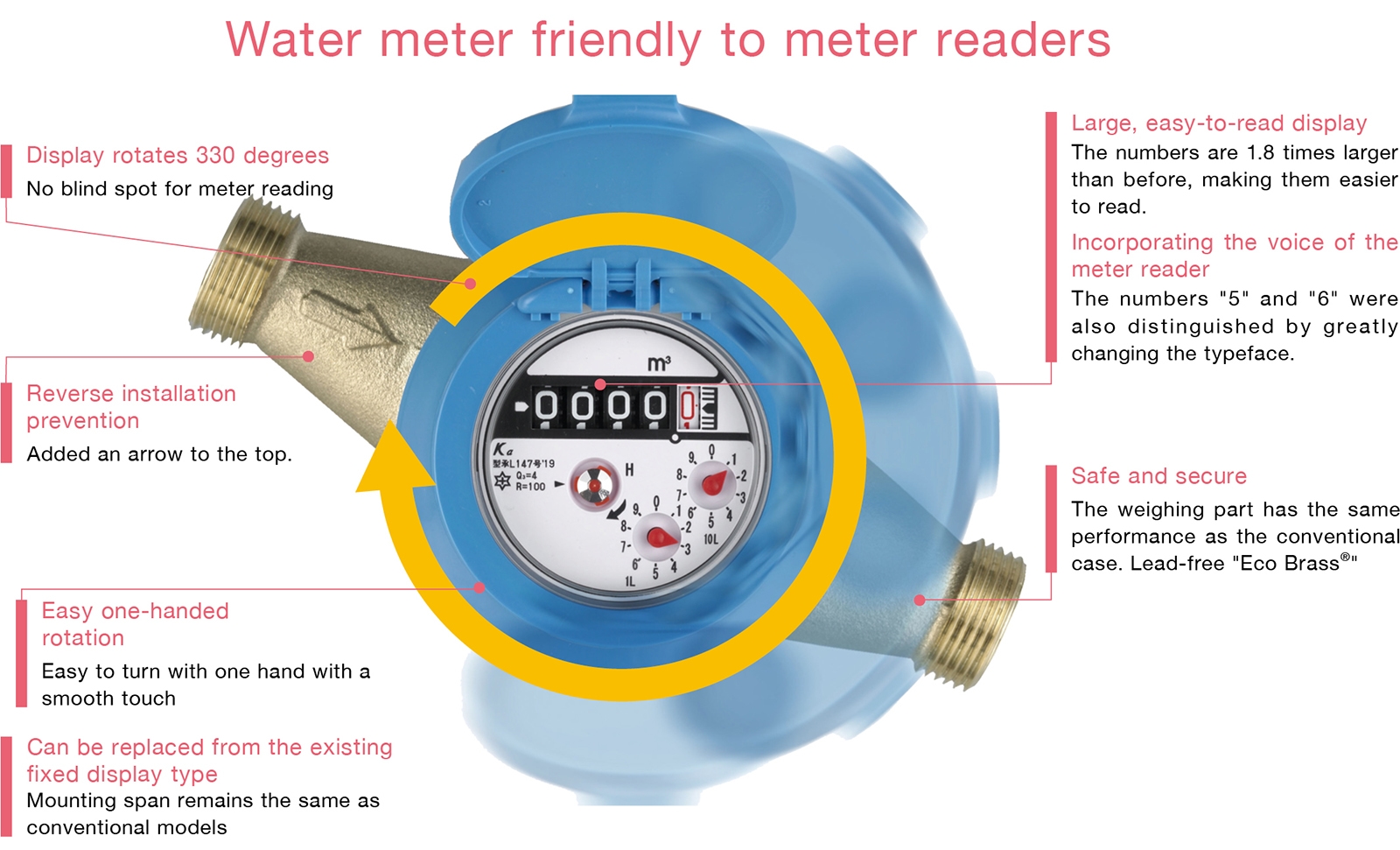
- Find your meter. In London it is usually in a small covered chamber in the pavement or front garden near the boundary, under a round or rectangular metal or plastic lid. Some homes have an internal meter near the stopcock. If you are unsure how to read the dials and figures, our guide on how to read your water meter to check for a leak walks through it step by step.
- Turn off every water-using appliance and fitting. That means taps, the washing machine, dishwasher, any water softener on a cycle, and ideally the boiler and toilets. Make sure nobody in the house will use water for the duration of the test.
- Take a careful reading of the meter, including the small red dials or the final decimal figures, which measure the smallest volumes and will move first if there is a slow leak.
- Wait without using any water. A short wait of a couple of hours can catch a fast leak, but leaving it overnight or for a few hours with the whole property untouched gives the clearest result for a slow one.
- Read the meter again. If the figure has not changed at all, you almost certainly do not have a leak on your side. If it has moved, even slightly, water is being used or lost somewhere with everything supposedly off, which points to a leak.
To narrow it down further, you can turn off the internal stopcock, the valve that isolates the water inside your home, and repeat the test. If the meter stops moving once the stopcock is closed, the leak is inside the property. If the meter keeps moving even with the stopcock shut, the leak is likely on the underground supply pipe between the meter and the house, which is a different and often harder problem to locate.
Thames Water's leak allowance and support
If the meter test confirms a leak, there is often financial help available, and it is worth knowing about before you panic about the bill. Thames Water, like other water companies, typically operates a leak allowance scheme. The idea is that if you have been billed for water lost through a genuine, unforeseen leak, and you get it repaired promptly, they may adjust or credit the affected bill so you are not paying the full cost of water that ran into the ground rather than being used.
Allowances usually come with conditions. They tend to apply to leaks you could not reasonably have known about, they generally require the repair to be carried out within a set period once the leak is found, and they are often granted once rather than repeatedly for the same issue. There may also be help toward finding or fixing a leak on the customer supply pipe in some circumstances, particularly for households that qualify for extra support. Policies and eligibility change, so the sensible move is to contact Thames Water directly once a leak is confirmed and ask what applies to your account. We go into how these schemes work in more depth in our guide to the Thames Water high bill leak allowance.
The practical point is this: keep evidence. A record of the meter test, the date you discovered the leak, and the repair details all support an allowance claim. Getting a leak found and fixed quickly is not just about stopping the water loss, it also protects your eligibility for any adjustment.
Water-saving steps that bring the bill down
Once you have ruled out or fixed any leak, there is plenty you can do to bring measured usage, and therefore a metered bill, down over time. None of these are dramatic on their own, but together they make a real difference across a billing period.
- Fix the small leaks first. A dripping tap or a slightly running toilet undoes a lot of careful saving, so sort the visible losses before anything else.
- Check and adjust toilets. Older cisterns use far more per flush than modern dual-flush units. A cistern displacement device, essentially a bag or block that reduces the volume each flush uses, is a cheap way to save on an older toilet.
- Fit efficient fittings. Aerated taps and low-flow shower heads cut the volume used without a noticeable drop in performance, and they are inexpensive to fit.
- Run appliances full. Washing machines and dishwashers use roughly the same water whether half or fully loaded, so waiting for a full load is straightforward saving.
- Rethink the garden. A water butt collects rainwater for the garden, and watering in the cooler part of the day means less is lost to evaporation. Garden use is one of the biggest swings in summer bills.
- Take shorter showers and turn off the tap. Turning the tap off while brushing teeth or shaving, and trimming a few minutes off a shower, add up quietly across a household over a year.
- Read your own meter regularly. Submitting your own readings keeps the account accurate and stops estimates drifting, and the habit of checking the meter means you spot an unexpected rise early, long before it becomes a large bill.
When to get professional leak detection
Some causes you can find and fix yourself. A running toilet, a dripping tap, a summer of garden watering, or an estimated reading catching up are all within reach of a careful homeowner with an hour and this guide. But when the meter test confirms water is being lost and you cannot see where, guessing gets expensive fast. Lifting a floor in the wrong place, or opening a wall on a hunch, causes damage and cost without necessarily finding the leak.
This is where professional, non-invasive leak detection earns its place. Rather than digging or breaking out on a guess, specialist equipment, such as acoustic listening gear, thermal imaging, tracer gas and moisture mapping, pinpoints the leak before anything is opened up. The goal is a small, precise repair in the right spot rather than exploratory demolition. It is the difference between finding out exactly where the pipe is failing and hoping you have picked the right patch of floor.
On the honest positioning of cost, treat any figures you see online as typical UK trade cost-guide ranges rather than fixed quotes, because the right number depends on the property and the nature of the leak. What matters more than a headline price is how the fee is structured. Our approach is a no find, no fee basis, meaning if we do not locate the leak you are not left paying for a fruitless visit, and a fixed hourly rate agreed at the point of booking, so you know the rate before anyone arrives rather than watching a meter run. That structure exists precisely because an open-ended bill for a problem you cannot see is the last thing anyone with an already-high water bill needs.
What the forums broadly agree on
If you read through the long-running threads on communities like r/DIYUK, MoneySavingExpert and r/HousingUK, a fairly consistent picture emerges, and it lines up with the advice above. The general consensus tends to run along a few lines. First, always run the meter test before assuming the worst, because a surprising number of scary bills turn out to be an estimated reading catching up or a running toilet rather than a catastrophic hidden leak. Second, check the small and obvious things first, taps, toilets and the stopcock, because they are free to inspect and often the actual answer. Third, when a leak is confirmed, people repeatedly point others toward their water company's leak allowance, because paying the full bill for water lost underground is avoidable. And fourth, there is broad agreement that once a leak is genuinely hidden, chasing it by lifting floors yourself is a false economy compared with getting it located properly. None of this is a substitute for checking your own specific situation, but the collective experience is a useful sanity check: start simple, verify with the meter, and escalate to detection only when the water is genuinely disappearing where you cannot see it.
Bringing it back down
A high water bill in London is frustrating, but it is rarely a mystery for long once you approach it methodically. Understand how the bill is built, so you know whether you are even in a position where usage matters. Rule out a price change and an estimated reading, because those need no investigation. Check the toilets, taps and fittings you can see. Then run the meter test, which gives you a clear answer on whether water is being lost. If it is, and you cannot find it, that is the point to bring in non-invasive detection and to talk to Thames Water about a leak allowance. Handled in that order, a bill that looked like a disaster usually turns into a specific, fixable problem, and the next bill comes back down to where it should be.
Frequently asked questions
How can I tell if my high water bill is caused by a leak or just higher usage?
Run the meter test. Turn off every water-using appliance and fitting, take a meter reading, wait a few hours or overnight without using any water, then read again. If the figure has moved with everything off, water is being lost through a leak. If it has not moved, your rise is more likely down to genuine usage, a rate change, or an estimated reading catching up. Comparing the same period year on year also helps you spot whether household usage has genuinely changed.
Does a hidden leak affect my bill if I am not on a water meter?
No. An unmetered bill is a fixed charge based on your property's old rateable value, not on how much water you use, so a leak inside your home does not change what you pay. If your unmetered bill has jumped, the cause is almost certainly a price change or a rateable value matter rather than a leak. A leak only inflates the bill directly when you are metered and paying for measured volume.
Why is my water bill split into two parts?
A water bill combines two separate charges: clean water coming into your home, and wastewater, sometimes called sewerage, which covers water leaving your home and rainwater draining from your property. On a metered account, wastewater is often charged as a proportion of your measured water use. This is why a leak can inflate both halves at once and make a spike look especially large. Both parts may also carry a fixed daily standing charge.
Can I get money back from Thames Water for water lost through a leak?
Often, yes. Thames Water typically operates a leak allowance scheme that can adjust or credit a bill affected by a genuine, unforeseen leak, usually on the condition that the leak was one you could not reasonably have known about and that you get it repaired promptly. Allowances are generally granted once rather than repeatedly for the same issue. Eligibility and policies change, so contact Thames Water directly once a leak is confirmed, and keep a record of your meter test and repair to support any claim.
Should I try to find a hidden leak myself or call a professional?
Simple causes like a running toilet, a dripping tap, or an estimated reading are worth checking yourself first, as they are free to inspect and often the real answer. But once the meter test confirms water is being lost and you cannot see where, guessing gets expensive. Lifting floors or opening walls on a hunch causes damage without guaranteeing you find the leak. Non-invasive detection uses acoustic, thermal and tracer methods to pinpoint the leak before anything is opened up, so the repair is small and precise.
How much does professional leak detection cost?
Any figures you see online are best treated as typical UK trade cost-guide ranges rather than fixed quotes, because the right number depends on the property and the nature of the leak. More important than a headline price is how the fee is structured. We work on a no find, no fee basis, so you are not left paying for a visit that does not locate the leak, and we agree a fixed hourly rate at the point of booking, so you know the rate before anyone arrives rather than facing an open-ended bill.